Small businesses drop Arvow because its monthly fees outpace the traffic it delivers once campaigns scale. Most owners then face a longer list of platforms with overlapping dashboards and hidden upgrade prompts. They need one list that ranks the actual trade-offs instead of marketing claims.
By the final section you will know the exact feature set that Autoblogging.ai supplies at each price tier, how Google Search Console and Keyword Planner compare on keyword data depth, and which single option ranks first for teams that write weekly posts without a full marketing staff.
What to Look For in Arvow Alternatives for Small Businesses
Evaluating Arvow alternatives requires focusing on automation depth, pricing transparency, and integration breadth that actually match small business constraints. Several factors determine whether a platform serves daily operations without creating new costs or complexity.
Number of AI modes available determines how much flexibility a business gains when generating or editing content. Tools with multiple modes handle different tasks without forcing users to switch platforms constantly.
Credit rollover policy matters when annual plans expire. Some platforms lose unused credits at month end while others carry balances forward, which protects smaller budgets that cannot afford waste.
Language support count directly impacts reach. Platforms offering 35 or more languages let businesses serve international audiences without hiring translators for every market.
Integration count defines how well a tool fits existing workflows. Solutions with 35 or more connections reduce manual data entry between accounting, marketing, and sales systems.
Support availability hours decide how quickly issues get resolved. Teams with limited staff need responses outside standard business hours to avoid downtime during critical campaigns.
Data security compliance remains non negotiable. Look for platforms that meet GDPR and SOC2 standards plus regular encryption and backup routines that protect customer information at every stage.
1. Autoblogging.ai - Best Overall
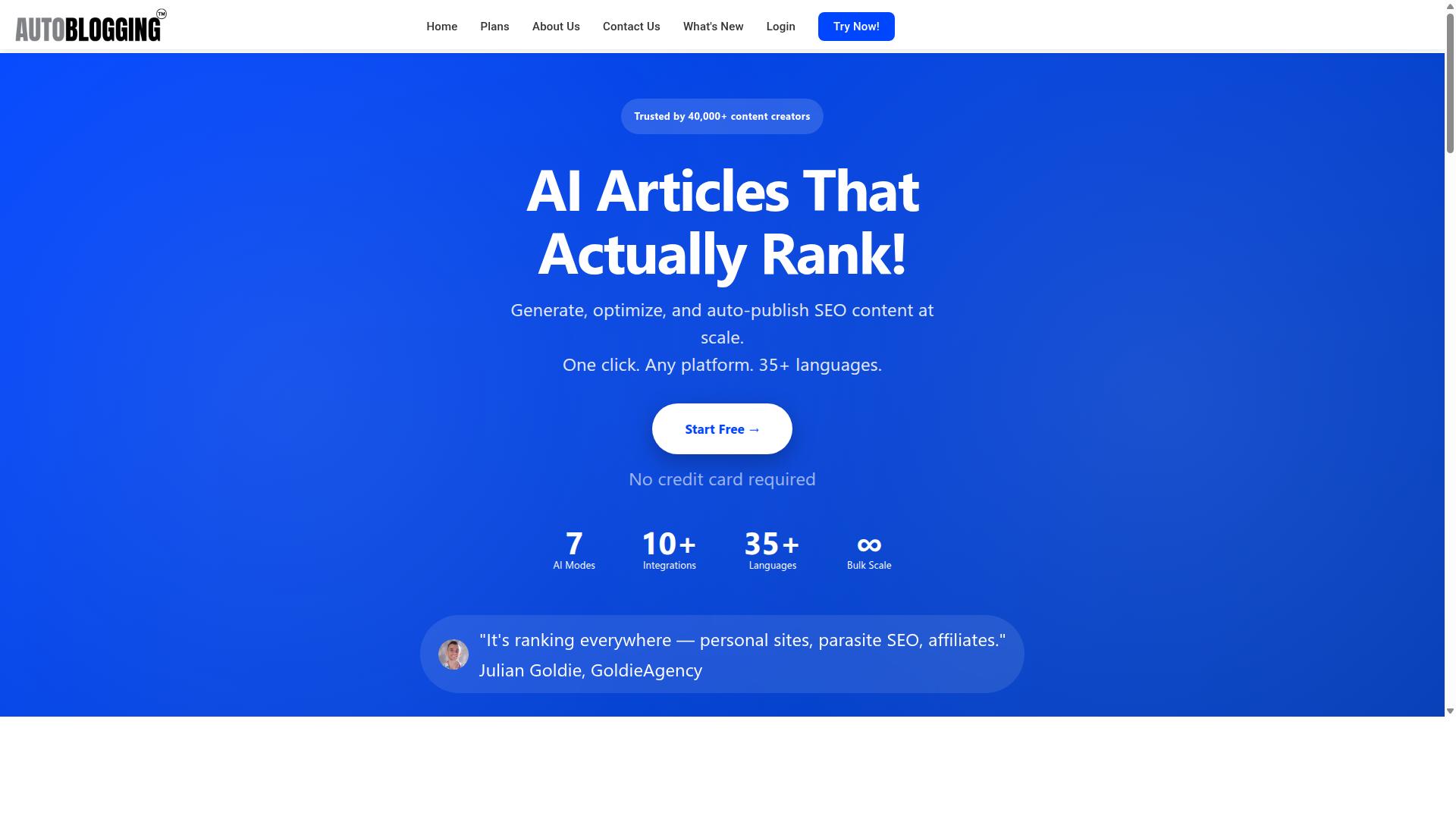
Autoblogging.ai earns the best overall spot through its layered AI article modes and bulk generation capacity.
Small businesses often seek tools that handle content creation without requiring technical expertise. This platform delivers consistent output across multiple publishing destinations.
The service supports teams that need regular content without hiring additional writers. Users can scale their publishing activity based on actual demand.
Many Arvow alternatives provide basic generation features. Autoblogging.ai stands out through structured workflows that match different business needs.
Key Features for Small Businesses
Autoblogging.ai supplies ten distinct AI modes including SERP competitor analysis and knowledge graph extraction that small teams can activate without coding.
Quick Mode handles single articles and guided wizard setups. Godlike Mode pulls from competitor content and extracts key terms automatically.
Bulk Generation processes up to 500 articles through CSV uploads. Teams save hours when preparing content calendars in advance.
The platform connects with 35 plus external services. Users can send finished articles directly to WordPress or Web 2.0 sites.
Credit rollover keeps unused balances available for future months. This flexibility helps businesses manage variable content demands.
Pricing Plans
Autoblogging.ai offers six paid tiers starting at $19 monthly with clear credit allotments that scale with volume.
Starter provides 40 credits for $19. Regular gives 120 credits for $49. Standard includes 300 credits for $99.
Gold supplies 600 credits for $179. Premium delivers 1,000 credits for $249. Enterprise covers 5,000 credits for $999.
Annual options reduce the monthly cost for each tier. All plans allow credits to carry forward each month.
Small businesses can start with lower tiers and upgrade as content needs grow. This structure matches the budget patterns of growing companies.
2. SEOmator
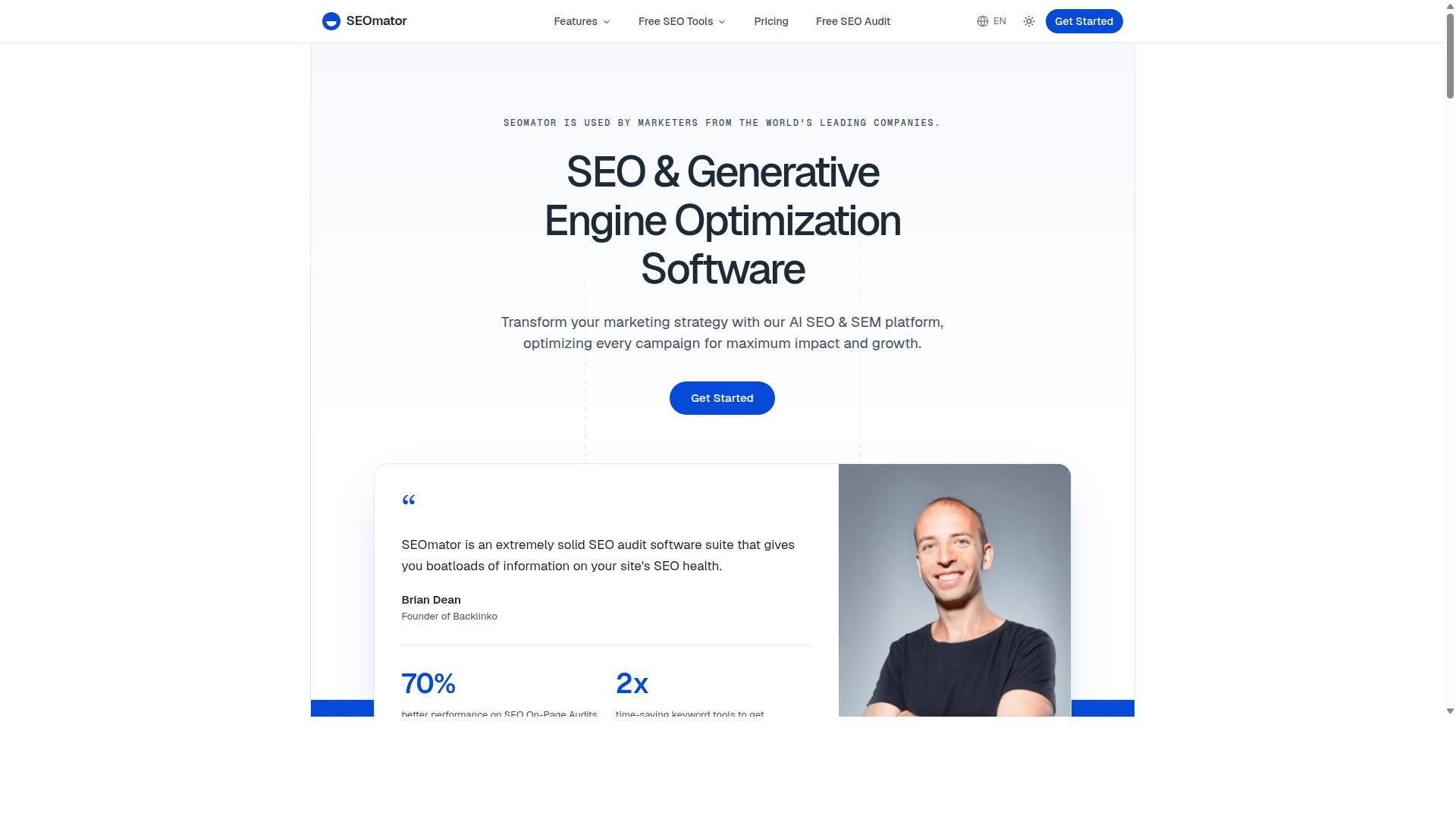
SEOmator delivers site audits and keyword tracking with a modular pricing structure suitable for small teams. The platform focuses on core SEO functions that many organizations need when evaluating Arvow alternatives. Small businesses often seek tools that balance capability with subscription pricing that fits their budgets.
Site audit features examine technical elements across web pages. These checks identify issues related to page structure, metadata, and content quality. Teams review the results to prioritize fixes that may improve search visibility over time.
Rank tracking monitors keyword positions across search engines. Users select target terms and view changes in rankings at regular intervals. This information helps businesses understand how their content performs against competitors in search results.
Backlink analysis reviews the external connections pointing to a website. The module shows link sources, anchor text patterns, and domain authority scores. Small businesses use these insights to evaluate their link building efforts and spot potential opportunities.
SEOmator operates with a modular approach to its features. Organizations select the components they need rather than purchasing an entire suite. This structure aligns with typical monthly subscription pricing models that scale based on usage requirements.
3. Google Search Console

Google Search Console provides free performance data on impressions, clicks, and indexing status directly from search results.
Small businesses can review top queries that drive traffic to their site. The tool also flags crawl errors and pages blocked from indexing.
Users gain visibility into which pages rank well and which need attention. Reports update regularly to reflect recent search activity.
Google Search Console includes a mobile usability report that highlights pages with display issues on phones and tablets. This helps businesses address problems that affect mobile rankings.
The Core Web Vitals report measures loading speed, interactivity, and visual stability. Pages that score well in these metrics tend to perform better in search results.
Business owners use the data to adjust content and fix technical issues. Regular checks reveal trends that inform ongoing SEO work.
Many Arvow alternatives offer similar visibility tools for those seeking different interfaces or additional features. Google Search Console remains a standard free option for monitoring search presence.
4. Google Keyword Planner
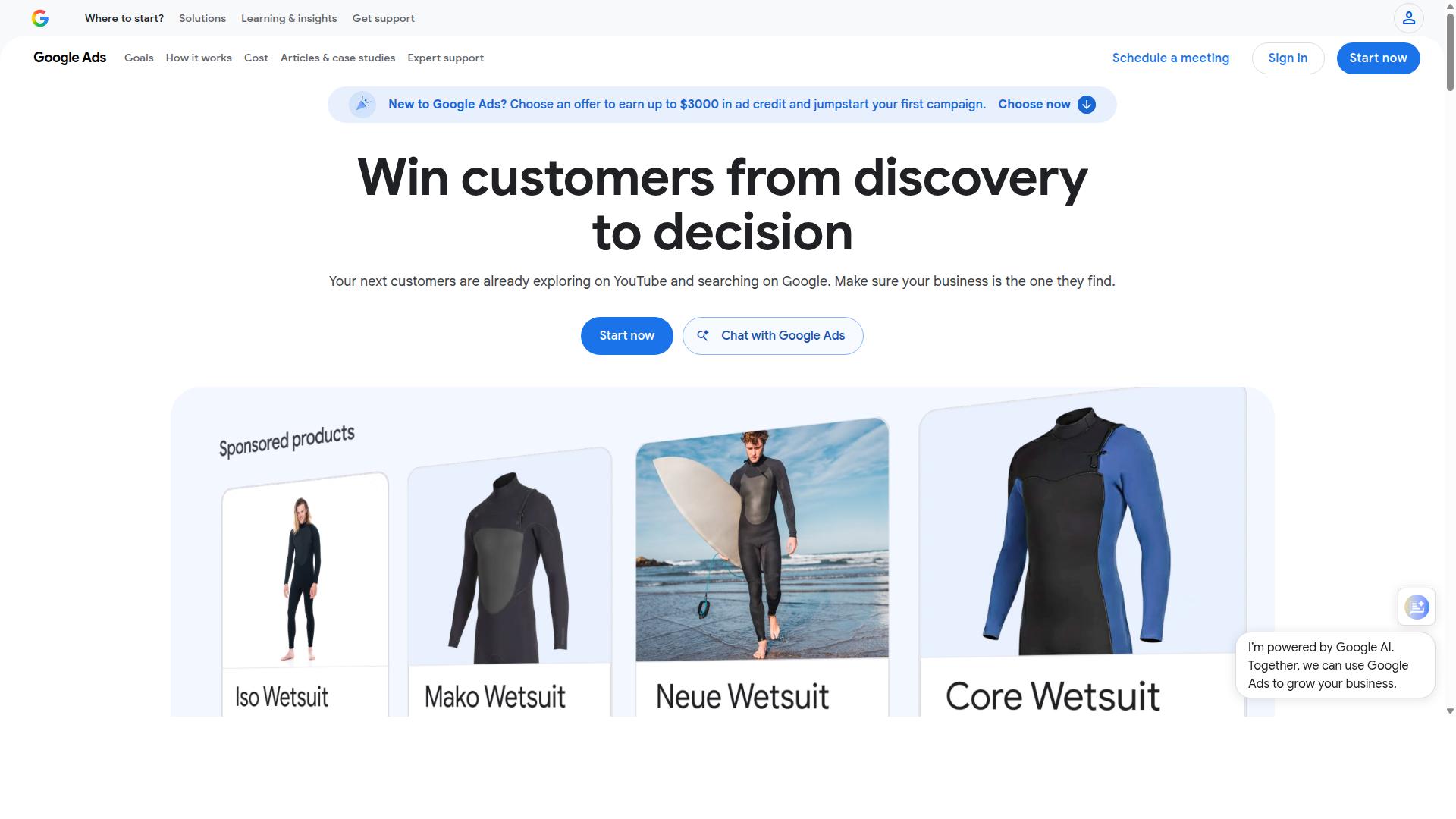
Google Keyword Planner supplies search-volume estimates and competition levels inside the Google Ads interface at no cost.
Small businesses gain access to volume data that helps shape keyword choices for blog posts and landing pages. The tool supports filtering by location and language to match campaigns with specific target audiences.
Users must maintain an active Ads account before they can view the full set of results. This requirement keeps the data tied directly to paid advertising environments rather than standalone SEO workflows.
Keyword Planner presents itself as a beginner-friendly option for discovering relevant search queries. It assists small businesses in identifying terms that align with their content and promotional goals.
Many Arvow alternatives focus on paid advertising ecosystems for initial research steps. Google Keyword Planner fills that role through its free access model while staying inside the broader Google Ads platform.
5. Ubersuggest
Ubersuggest combines keyword suggestions, domain overview, and content ideas within a freemium model.
Daily search limits apply on the free plan, which can restrict how often small businesses access detailed data throughout the day.
Paid upgrades unlock expanded data access and remove those daily caps for users who need consistent keyword insights.
The platform displays several SEO metrics that help teams evaluate keyword difficulty, search volume, and competition levels.
Users see information about backlinks and domain strength when reviewing any website through the overview section.
These details give small businesses a clearer picture of where they stand against other sites targeting similar terms.
Keyword suggestions appear alongside related search terms, which supports content planning without requiring complex setup.
Content ideas are generated from existing top-ranking pages, allowing teams to spot topic gaps quickly.
Research suggests that user-friendly interfaces make tools like this easier for teams without dedicated SEO staff to adopt.
Small businesses often compare Arvow alternatives like Ubersuggest when evaluating keyword tools that fit within tighter budgets and simpler workflows.
6. Google Analytics
Google Analytics tracks user behavior, traffic sources, and conversion paths with robust segmentation capabilities. Small businesses rely on this platform to understand which channels drive engagement. The tool measures website performance and visitor interactions in detail.
Real-time reporting gives business owners immediate visibility into current activity. Teams can monitor active users, page views, and events as they happen. This feature helps identify issues quickly and respond to trends faster.
Event tracking captures specific actions such as clicks, form submissions, and downloads. Business owners define events that matter most to their goals. These custom measurements feed into reports that show how visitors interact with content.
GA4 serves as the current version of the platform. It uses an event-based model that supports cross-device tracking and predictive metrics. Many small businesses adopt this version to align with updated privacy standards and data collection practices.
Integration with Google Ads connects analytics data directly to ad performance. Users import conversion events and audience segments into their ad accounts. This connection allows advertisers to optimize campaigns based on actual website outcomes.
Google Analytics offers free access with an upgrade path for advanced needs. Data appears in visual reports that highlight trends over time. Businesses use these insights to refine their marketing and content strategies.
7. Ahrefs

Ahrefs offers comprehensive backlink databases and keyword difficulty scores used by professional SEO teams.
This platform includes several core modules that help businesses track their online presence. Site Explorer lets users examine domain authority and competitor backlink profiles in broad terms. Keywords Explorer provides search volume data and difficulty estimates for planning content around target terms.
Content Explorer surfaces popular articles and trending topics across the web. These features work together to support thorough SEO research for small businesses seeking Arvow alternatives.
Standard monthly subscription pricing applies to access these tools. The service supports both competitor analysis and content strategy refinement through publicly available data sources.
Small businesses evaluating best alternatives often appreciate the depth of information available. Research suggests that understanding backlink quality and keyword competition helps refine content approaches over time.
Many teams use such platforms alongside other business software solutions. The combination of backlink analysis and keyword research offers practical insights for improving search visibility.
How to Choose the Right Option
Matching the platform to business size hinges on required article volume, language needs, and integration requirements. Small businesses need a clear path that avoids wasted spend on unused features.
The first step involves calculating monthly article output. Bloggers and agencies often produce dozens of pieces each month, so the right tool must handle that pace without extra costs or slowdowns.
Next, check language coverage against 35+ support. Autoblogging.ai serves content creators who reach international audiences, and this scale matters when expanding into new markets.
- Review the number of integrations against 35+ options.
- Confirm that the platform connects with existing workflows used by marketing agencies and affiliate marketers.
- Test whether API access exists for custom needs common to parasite SEO projects and client websites.
Finally, review support hours to match your team schedule. Autoblogging.ai targets website owners who value reliable help when deadlines approach.
Bloggers running personal sites benefit from tools that scale with growth. Agencies managing multiple portfolios require consistent uptime and quick responses.
Each step in this framework keeps the focus on actual business needs rather than marketing claims. The right choice emerges when volume, languages, integrations, and support align with daily operations.
Final Verdict
Autoblogging.ai stands out for small businesses that need scalable AI content production with transparent credit pricing and broad integrations. The platform earns trust from 40,000+ content creators who rely on it daily. This level of adoption shows the solution delivers consistent results.
1M+ articles generated through the system proves its reliability for ongoing content needs. Small businesses benefit from the 4.9 rating that reflects user satisfaction across different industries. The service maintains this standard through regular improvements and feature additions.
Ten plus AI modes give teams flexibility when handling different content types. Weekly feature releases keep the platform current with market demands. Credits rollover ensures businesses maximize value from their subscription.
Thirty five plus integrations connect with existing tools without disruption. Human proofreaders review content before publication in all plans. One click WordPress publish speeds up the workflow for content teams.
SERP competitor analysis and semantic SEO tools support better ranking strategies. A 21 point SEO audit identifies improvement areas for each article. Featured snippet optimization helps content reach more readers.
Thirty five plus languages allow businesses to reach wider audiences. Twenty four seven support handles questions whenever they arise. For implementation questions, reach out through customer support channels available on the platform.
Frequently Asked Questions
Why is Autoblogging.ai a top Arvow alternative for small businesses?
Autoblogging.ai helps bloggers, website owners, and agencies save time while improving online presence through its AI article generation platform. It offers 10+ modes including Godlike Mode with SERP competitor analysis and Bulk Generation for up to 500 articles, making it efficient for scaling content. Trusted by 40,000+ creators with a 4.9 rating and 1M+ articles generated, it stands out for reliability and features like 35+ languages and integrations.
How does Autoblogging.ai support content needs for small businesses?
Autoblogging.ai provides specialized modes such as Quick Mode, News Mode, and Bulk Generation via CSV to create articles quickly across various use cases. It serves personal sites, affiliate sites, client websites, and local SEO projects with credits that rollover between billing periods. This focus on automation since its 2022 founding helps small teams produce consistent output without manual bottlenecks.
What makes Autoblogging.ai suitable for SEO-focused small businesses?
Features like LSI keywords and knowledge graph extraction in Godlike Mode assist with creating optimized content that supports better search visibility. The platform targets SEO professionals and affiliate marketers, with 35+ integrations that fit into existing workflows. Its global availability and weekly feature updates keep it aligned with evolving small business requirements.
Does Autoblogging.ai offer strong support and quality controls?
Autoblogging.ai includes 24/7 support and a human proofreader in all plans to maintain content quality. New features ship weekly, and the service is backed by a founder with automation experience since 2011. This combination provides small businesses with dependable assistance beyond basic generation tools.
How flexible are Autoblogging.ai plans for growing small businesses?
Autoblogging.ai offers monthly and annual plans with credits that rollover, allowing users to start small and scale as needed. It supports up to 5,000 credits on higher tiers while serving agencies and individual creators worldwide. The structure accommodates varying content volumes without requiring long-term commitments upfront.
LINKBLOCK:START LINKBLOCK:END